Fukuoka City faces the Genkai-nada Sea in the northern part of
Kyushu. It is at the western tip of the crescent-shaped Japanese
archipelago and draws near to the Eurasian continent and the
Korean peninsula. Our ancestors kept this area rich and lively by
coming into contact first with cultures the rest of Japan was
unaware of, by developing forms of production and economic
activity never experienced before and by overcoming threats not
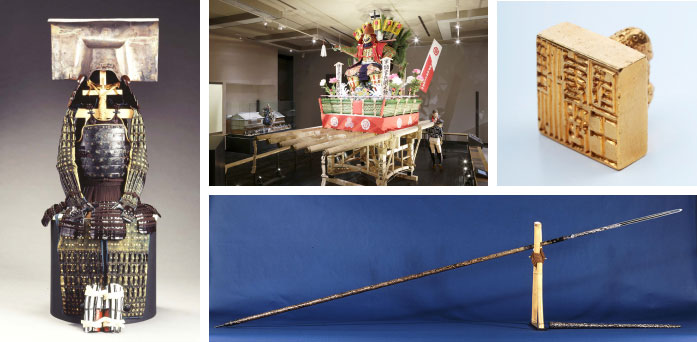
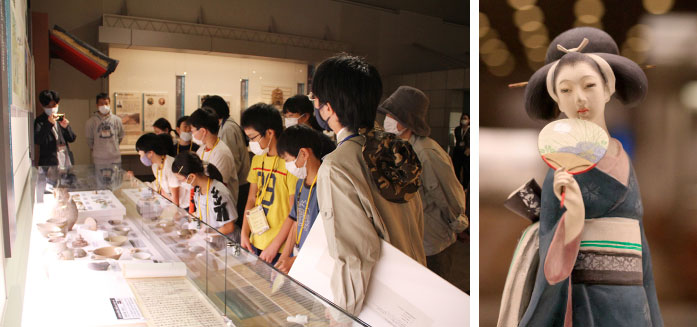
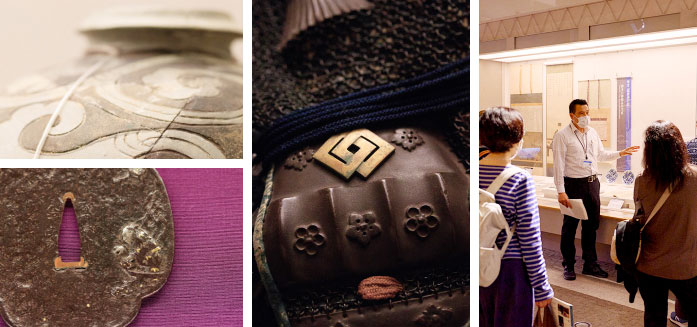
encountered in the past. Subject matter of our permanent
exhibitions addresses the history of Fukuoka and the lifestyle of
the people of this area, which served as a gateway to foreign
interchange.
Business Hours
9:30A.M ~ 5:30P.M.(Last admission at 5 P.M.)
Fri., Sat. & Sun. from Jul.24 - Aug.23, 2026 and Aug. 13, 2026: 9:30A.M. - 8:00 P.M.(Last admission at 7:30 P.M.)
Days Closed
Mondays(If Monday falls on a national holiday, the following weekday),
December 28 - January 4 for the New Year Holidays
Admission Charge
| |
Adults |
High School /
University students
|
| Charge |
200 yen
(150 yen) |
150 yen
(100 yen) |
No charge for Junior High School Students and younger
( ) Rate for groups of 20 or more
Admission to the Permanent Exhibition and Feature Exhibition
Rooms are the same.
Admission to the Special Exhibition Room is set differently.
Contact
[Adress] 3-1-1, Momochihama, Sawara-ku, Fukuoka
[TEL] 81+(0)92-845-5011 [FAX] 81+(0)92-845-5019